They served our country in both wartime and peace, risking their lives and enduring through dangerous situations and risky places. But for many veterans in the United States, coping with loneliness is just one of the many challenges they may face when they return from duty.
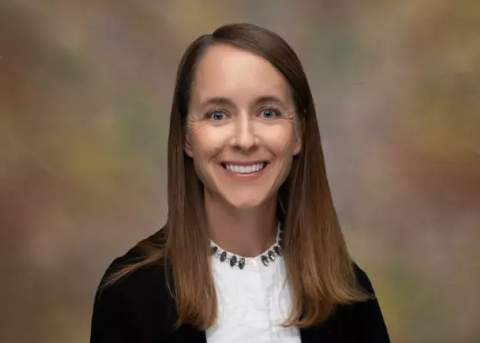
JoAnn Jabbari, PhD, RN, assistant professor at Barnes-Jewish College Goldfarb School of Nursing, has seen it firsthand. A former U.S. Department of Veterans Affairs (VA) nurse, she spent her research career studying and advocating for this population.
“My commitment to addressing the loneliness experienced by veterans stems from a deep recognition of the unique challenges they may face due to their military experiences,” says JoAnn. “I aim to ensure that those who have served receive the support and care they deserve.”
Experience fuels research
A recent study found that over half of U.S. veterans experience loneliness, with one in five experiencing it frequently. That lines up with JoAnn’s tenure at the VA, where she said patients who came to her unit were often seeking connection in a place they knew they would find it.
“I noticed the instant camaraderie that some of the veterans would have with each other and the staff who were veterans,” says JoAnn. “And there were some ‘frequent fliers,’ or people who were frequently readmitted in part because they didn’t have social support at home.”
Those observances inspired her to return to Goldfarb School of Nursing, where she had previously earned her Bachelor of Science in Nursing, to pursue a Doctorate. During her doctoral studies, she conducted research to identify risk factors for loneliness among older veterans. What she found was telling–veterans with greater emotional support had less loneliness. Those who lived in certain geographic areas with higher levels of social vulnerability were at higher risk for loneliness. What JoAnn’s research indicated was the importance of addressing both individual and community level factors to reduce loneliness among older veterans.
“Everyone has their own story and what affects them, but I think there are many aspects of veterans’ lives that can be affected after military service that people don’t know about,” says JoAnn. “That motivates me to find ways to help them with loneliness they may experience, especially if they don’t feel comfortable relaying those feelings out loud.”
Following her dissertation at Goldfarb, JoAnn continued her research. In February, she was awarded placement in the National Institute of Nursing Research and National Institute of Health-funded Emory Social Determinants of Health Advanced Research Training Fellowship. As a fellow, JoAnn is participating in a rigorous research training and mentorship program and will later present findings on how social support can be beneficial for veterans and their unique health care and psychosocial needs.
JoAnn also received a WashU Institute for Clinical and Translational Sciences Career Development Award, a two-year mentorship and training for clinical trials. She plans to utilize this opportunity to co-develop a clinical intervention for veterans that addresses their needs and can be sustainable long term. Additionally, she has been studying whether loneliness is linked to inflammation and suicidality, as well as gender differences between female and male veterans with loneliness.
Making a difference and finding a passion
JoAnn says she ultimately hopes her research will help alleviate some of the social struggles veterans might encounter after leaving the service.
“I think veterans at different time periods after separation may have specific needs,” says JoAnn. “I want to help create opportunities and spaces where they feel a sense of belonging through veteran-to-veteran connections and also educate civilians on how to engage with veterans in a productive way."
And now it’s even more personal to JoAnn. Her husband recently joined the U.S. Army Reserve, and as proud a military wife, JoAnn said she can see the strong camaraderie he is developing with fellow soldiers. She is also a strong proponent of her veteran co-workers. JoAnn serves as the co-chair of BJC’s Veterans Connection group, which brings together BJC team members who have served and are currently serving, as well as all team members who want to show their support.
JoAnn says nursing research is about finding a topic one is passionate about, and she had ample opportunities to explore hers at Goldfarb School of Nursing. Her advice to nursing students interested in a career in research is to do the same.
“If you come across any area of your nursing career that inspires and motivates you to be an agent of change, it will carry you through the research process,” says JoAnn. “It’s important to be passionate about what you’re pursuing.”
To learn more about research opportunities at Goldfarb, visit the Office of Nursing Research website.